
Introduction
Choosing the right health insurance can feel overwhelming, with so many options and terms. Your choice affects your access to care, out-of-pocket costs, and financial security in emergencies. Health coverage isn’t just a policy—it’s peace of mind.
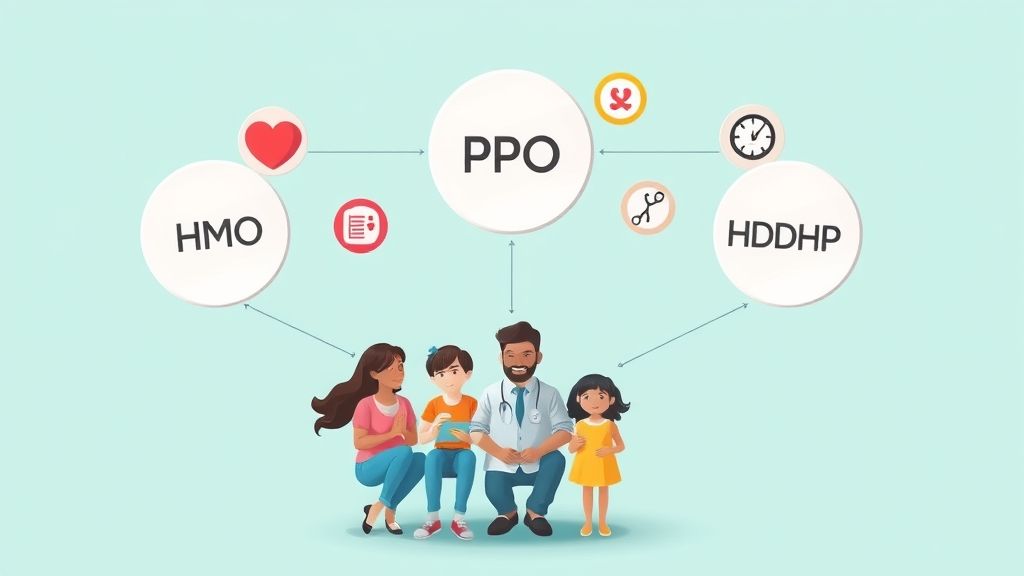
This guide simplifies health insurance, focusing on three popular plan types: HMO (Health Maintenance Organization), PPO (Preferred Provider Organization), and HDHP (High Deductible Health Plan). We’ll break down how each works, their pros and cons, and how to pick the plan that fits your lifestyle and budget.
Step 1: Understand Plan Basics
Health insurance plans vary in network rules, flexibility, and costs. Knowing the differences helps you choose a plan that aligns with your healthcare needs and budget.
1. HMO Plans
HMO (Health Maintenance Organization) plans usually have lower premiums and out-of-pocket costs but require you to use a network of doctors. You must choose a primary care physician (PCP) who manages referrals to specialists.

Ideal for those seeking lower costs and coordinated care, especially if you don’t mind having a PCP as your main point of contact.
2. PPO Plans
PPO (Preferred Provider Organization) plans provide more flexibility in choosing doctors and specialists. You don’t need a referral to see a specialist, and you can go out-of-network at a higher cost.
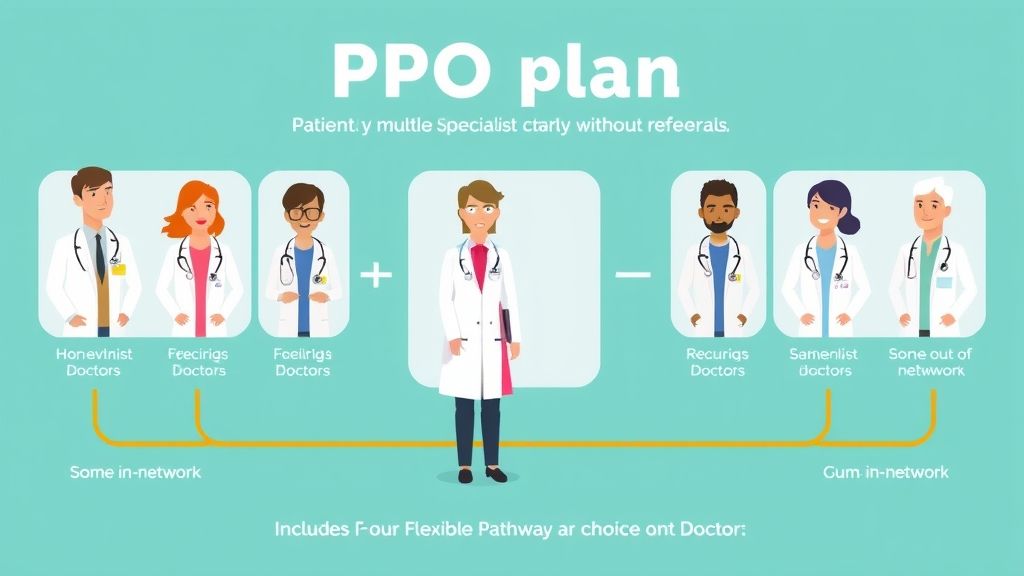
Perfect for individuals who want freedom to choose providers without network restrictions.
3. HDHP Plans
HDHP (High Deductible Health Plan) plans pair higher deductibles with lower monthly premiums. They’re often compatible with Health Savings Accounts (HSA), allowing you to save pre-tax dollars for medical expenses.

Best for healthy individuals who want lower monthly premiums and a tax-advantaged way to save for future healthcare costs.
Step 2: Compare Costs and Coverage
When evaluating health plans, consider both premiums and out-of-pocket costs, including deductibles, copays, and coinsurance.
1. Premiums vs Deductibles
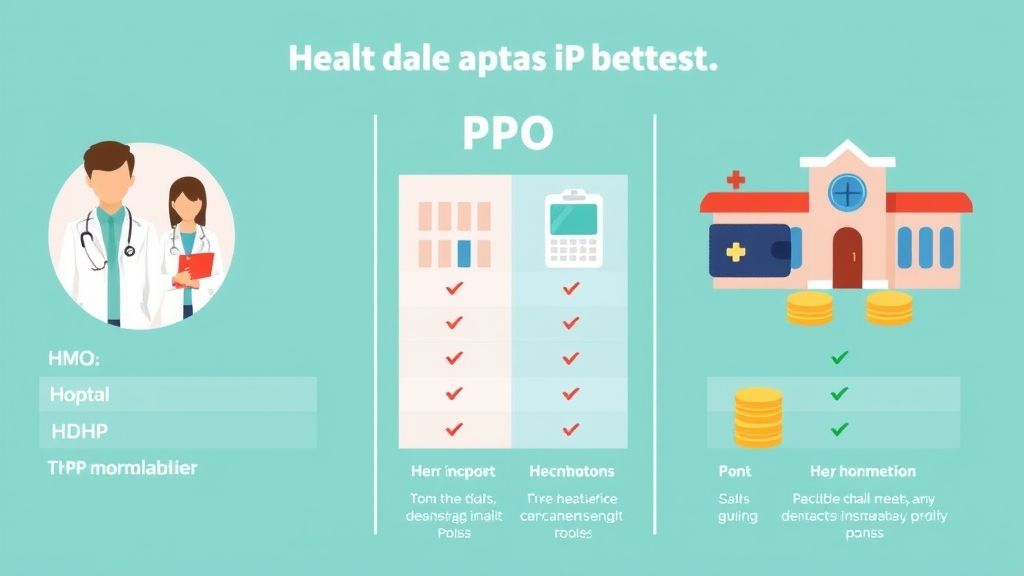
Lower premiums may mean higher deductibles. For instance, HMO plans often have lower premiums, while HDHPs require higher deductibles but allow HSA contributions. Analyze your expected healthcare usage to determine which balance works best for you.
2. Coverage Limits
Check which services are covered, including preventive care, specialist visits, and prescription drugs. PPOs often offer broader coverage, whereas HMOs may restrict some services to in-network providers.
3. Out-of-Pocket Maximums
This is the most you’ll pay in a year for covered services. Understanding this limit helps protect against unexpected medical costs and ensures financial security.
Step 3: Consider Your Lifestyle & Health Needs
Your personal health requirements play a critical role in choosing the right plan.

1. Frequency of Care
If you regularly see specialists or have ongoing treatments, a PPO may be more convenient. For infrequent care, an HMO or HDHP might save money.
2. Family Considerations
Consider the needs of dependents. Larger families may benefit from network-focused HMOs for coordinated care, or PPOs if flexibility is essential.
3. Emergency Coverage
Evaluate how each plan handles emergencies and urgent care. HDHPs often require higher upfront costs but may include HSA benefits to offset expenses.
Step 4: Tips to Maximize Your Health Plan
Follow these strategies to get the most value from your coverage:
- Preventive Care: Take advantage of covered check-ups and screenings to stay healthy and avoid costly treatments.
- Use Generic Medications: Save on prescriptions by choosing generics when possible.
- Health Savings Account (HSA): If on an HDHP, contribute to your HSA for tax-free medical spending.
- Stay In-Network: Minimize out-of-pocket expenses by choosing in-network providers whenever possible.
Frequently Asked Questions (FAQs)
Q1. What’s the difference between HMO and PPO?
HMO requires referrals and in-network care; PPO offers more flexibility and out-of-network coverage.
Q2. Who should consider an HDHP?
Healthy individuals seeking lower premiums and the ability to save in an HSA.
Q3. Are preventive services covered?
Yes, most plans cover preventive care at no extra cost, including vaccines and screenings.
Q4. Can I switch plans annually?
Yes, during open enrollment or after qualifying life events, you can change plans.
Conclusion: Choose the Right Plan for Peace of Mind
Understanding HMO, PPO, and HDHP plans empowers you to select coverage that fits your health needs and finances. Evaluate costs, consider lifestyle, and leverage preventive benefits to maximize your plan’s value.
For more resources:
👉 See Insurance Claim Success Secrets: Navigating the Process with Ease.